Symmetry & Regular Polygons
[Transformations] [Example] [Symmetry of Hexagon]
A transformation is the operation that moves the preimage onto the image where the original figure is the preimage and the new figure is the image.
There are three basic types of transformations: reflections, rotations, and translations.
A reflection in a line l is a transformation that moves every point P in the plane to a point P', so that:
1. if P is not on l, then l is the perpendicular bisector of the segment PP'
2. if P is on l, then P=P'
Example 1) Reflection
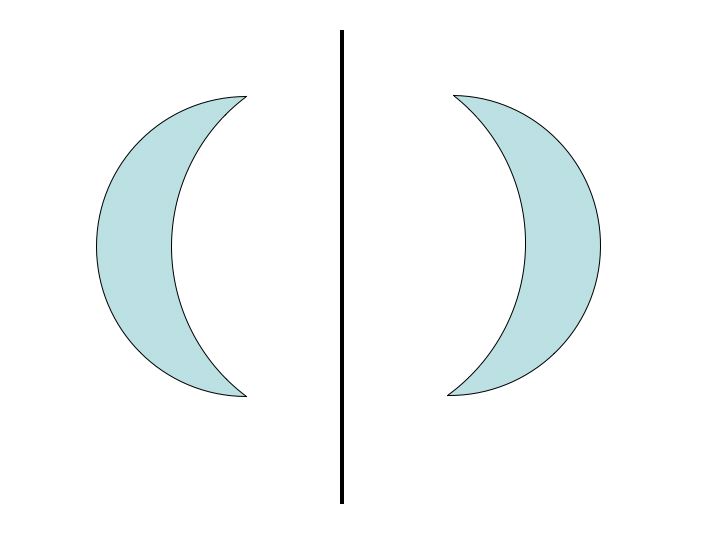
Example 2) Reflection
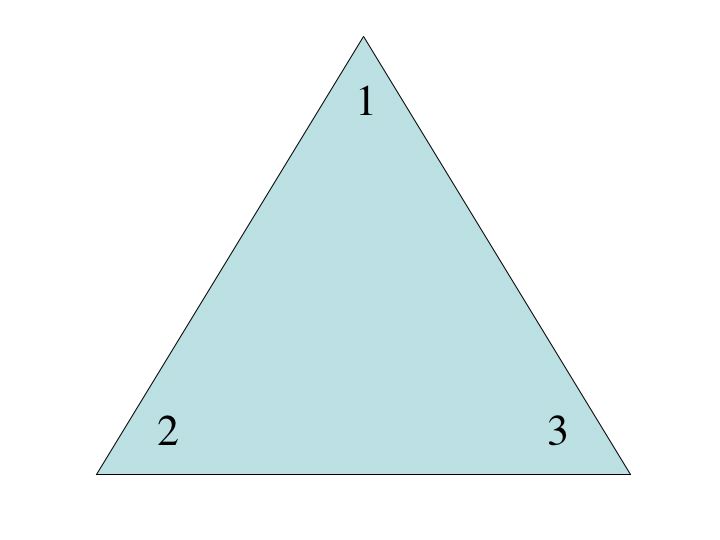
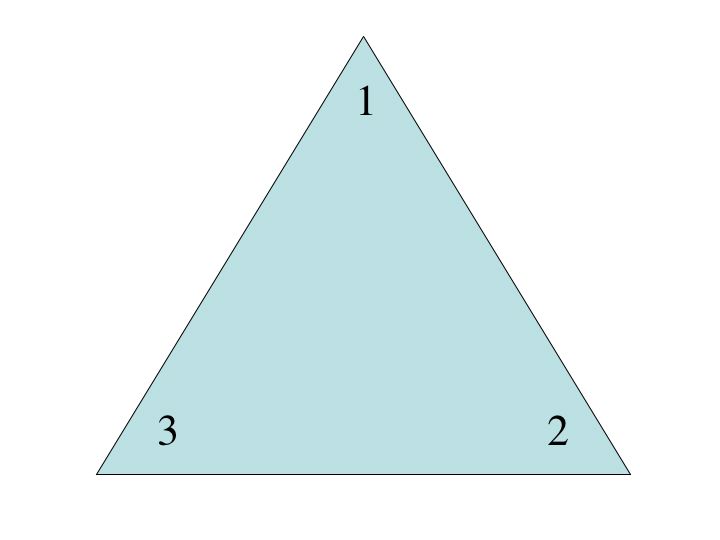
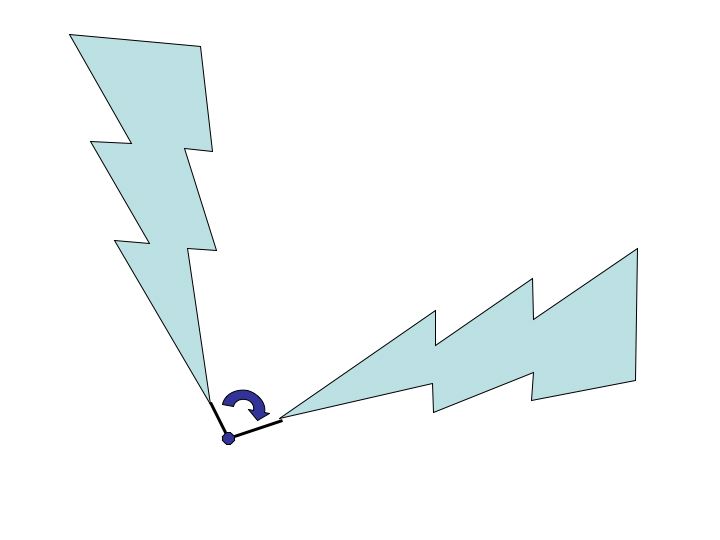
A rotation about a point O through x degrees is a transformation that moves every point P in the plane to a point P', so that:
1. if P is not point O, then PO = P'O and m<POP' = x degrees
2. if P is point O, then P=P'
Example 3) Rotation
Example 4) Rotation
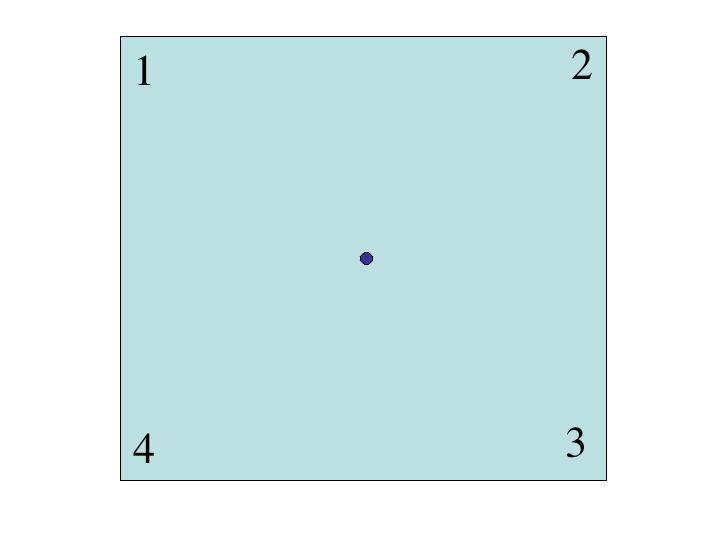
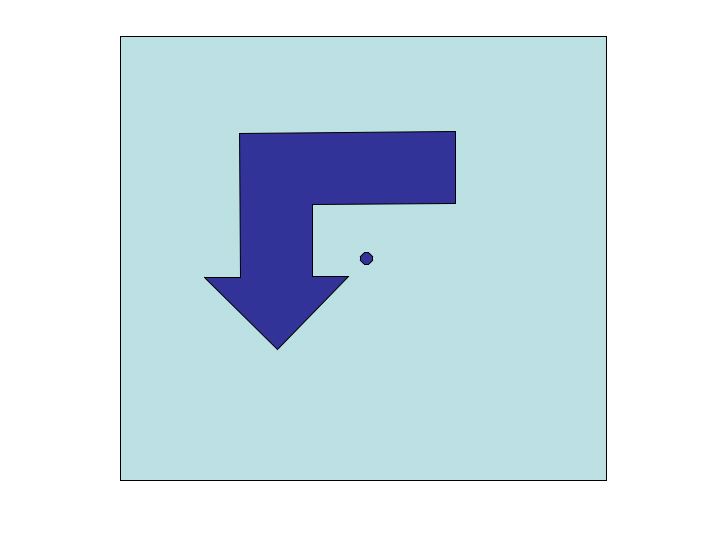
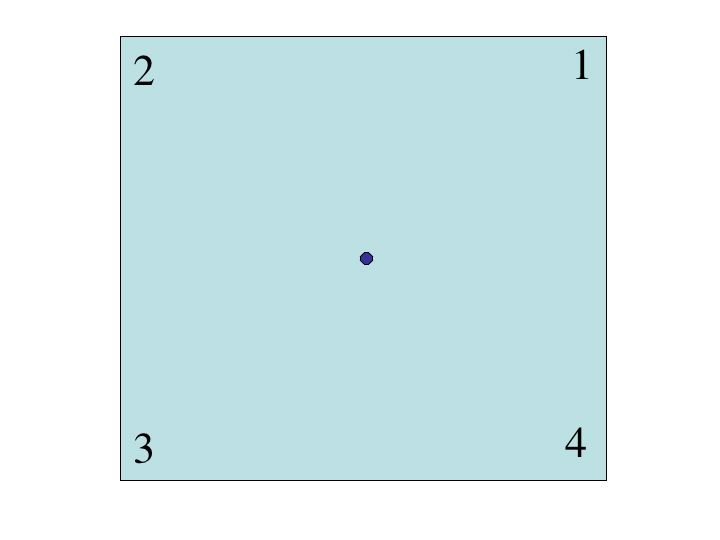
A translation is a transformation that moves every point P in the plane to a point P' so that:
1. PP' = AA'
2. the segment PP' is parallel to the segment AA'
Example 5) Translation
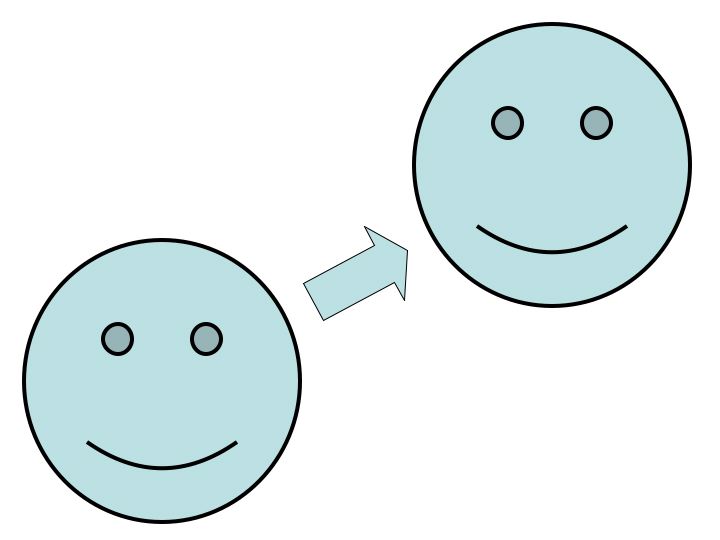
Example 6) Translation
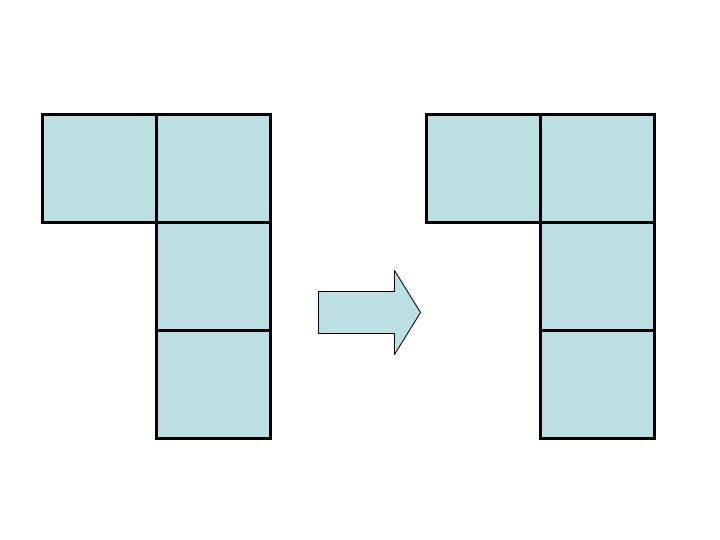
Tetris is a wonderful example of how to use translations, rotations and reflections of a preimage. The object of the game Tetris is to erase rows of squares. The only way to do this is to fill in all the squares with objects that are falling from the sky. This falling motion is a tranlation of the original object from the top. These objests are composed of 4 squares. There are 7 ways to compose 4 squares. Let's choose just one for now. Let's say that falling from the sky is the L shape. But maybe we only need to fill one square to get rid of a row. We want to turn this shape upside down. How do we do that? We reflect it over a horizontal line that runs at the base of the L. Since we only care about the tip of the L we could also rotate by 180 degrees. We are not done yet. Where on the Tetris board is the hole? As we rotate or reflect the object we might also have to translate the to the right or left so that the object lands in the hole.
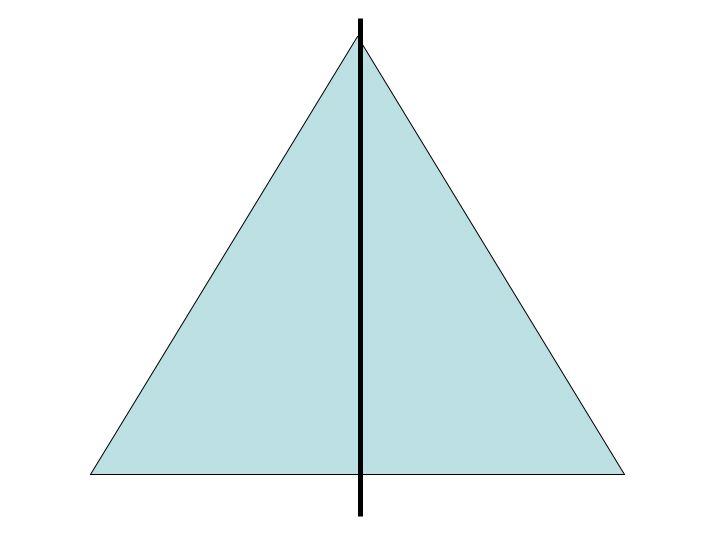
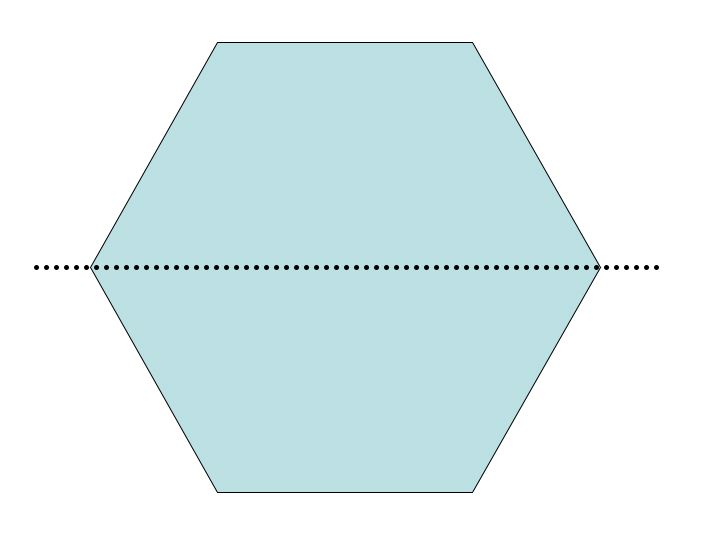
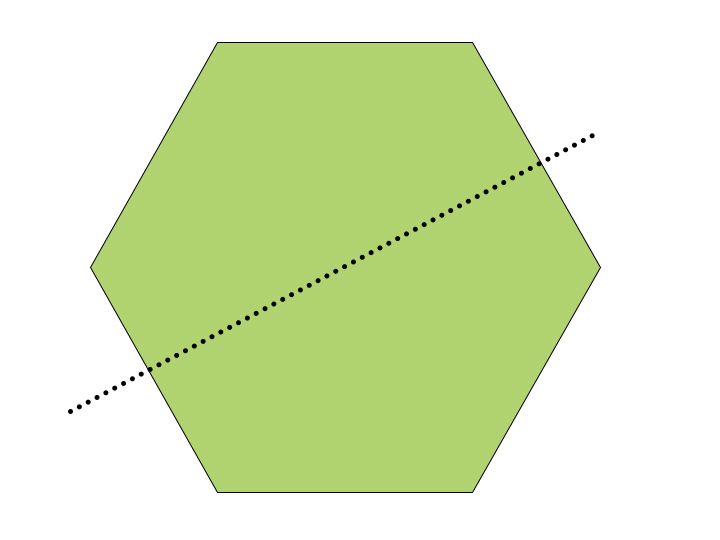
If a figure can be moved onto itself by a reflection then the figure has a line of symmetry.
Lines of symmetry of a regular hexagon:
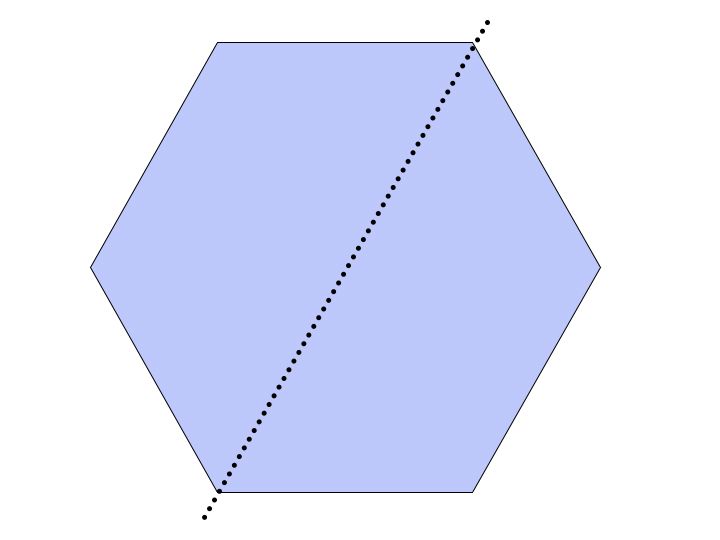
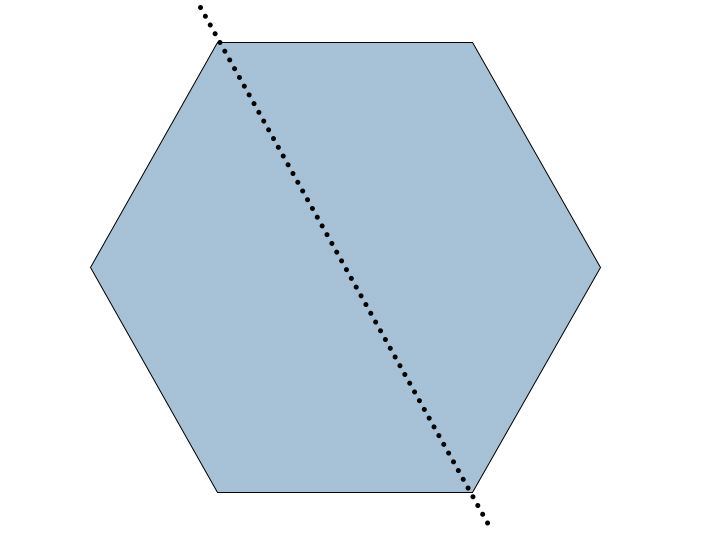
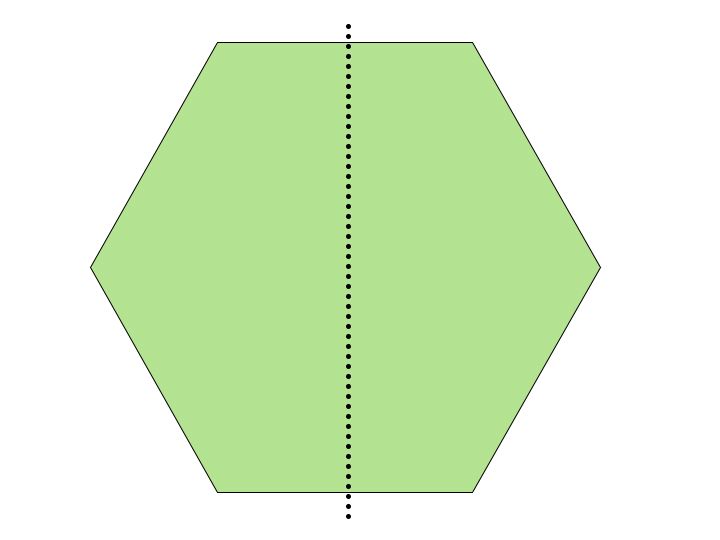
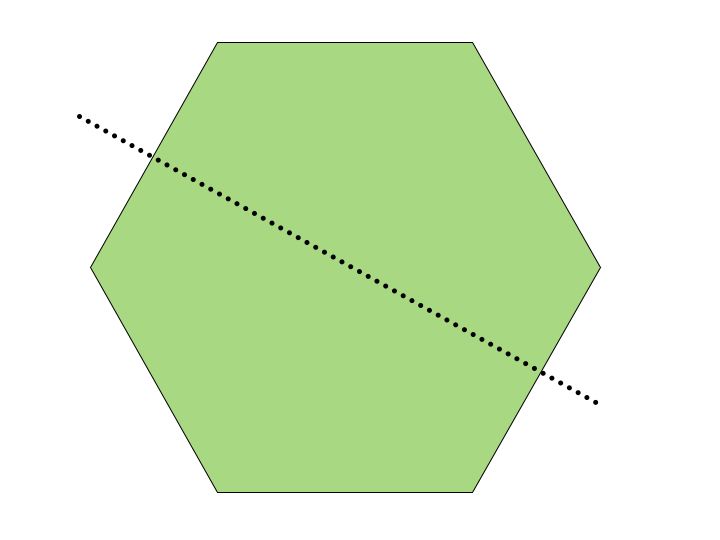
If a figure can be moved onto itself by a rotation of 180 degrees or less than the figure has rotational symmetry.
Rotational symmetry of a regular hexagon:
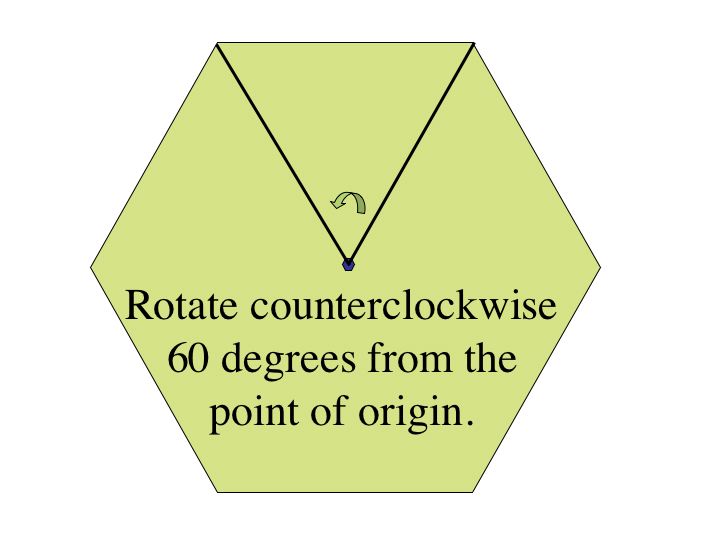
However if we transform a figure using a transformation the image will never get back to its original position unless it never moves. Rotate a regular hexagon 60 degrees counterclockwise 6 times and the image is back to its original position.
© 2004
Rebecca Talbot |
Site Managed by |
All Rights Reserved |